Coding for Teens: Where to Start (A Parent's Guide)
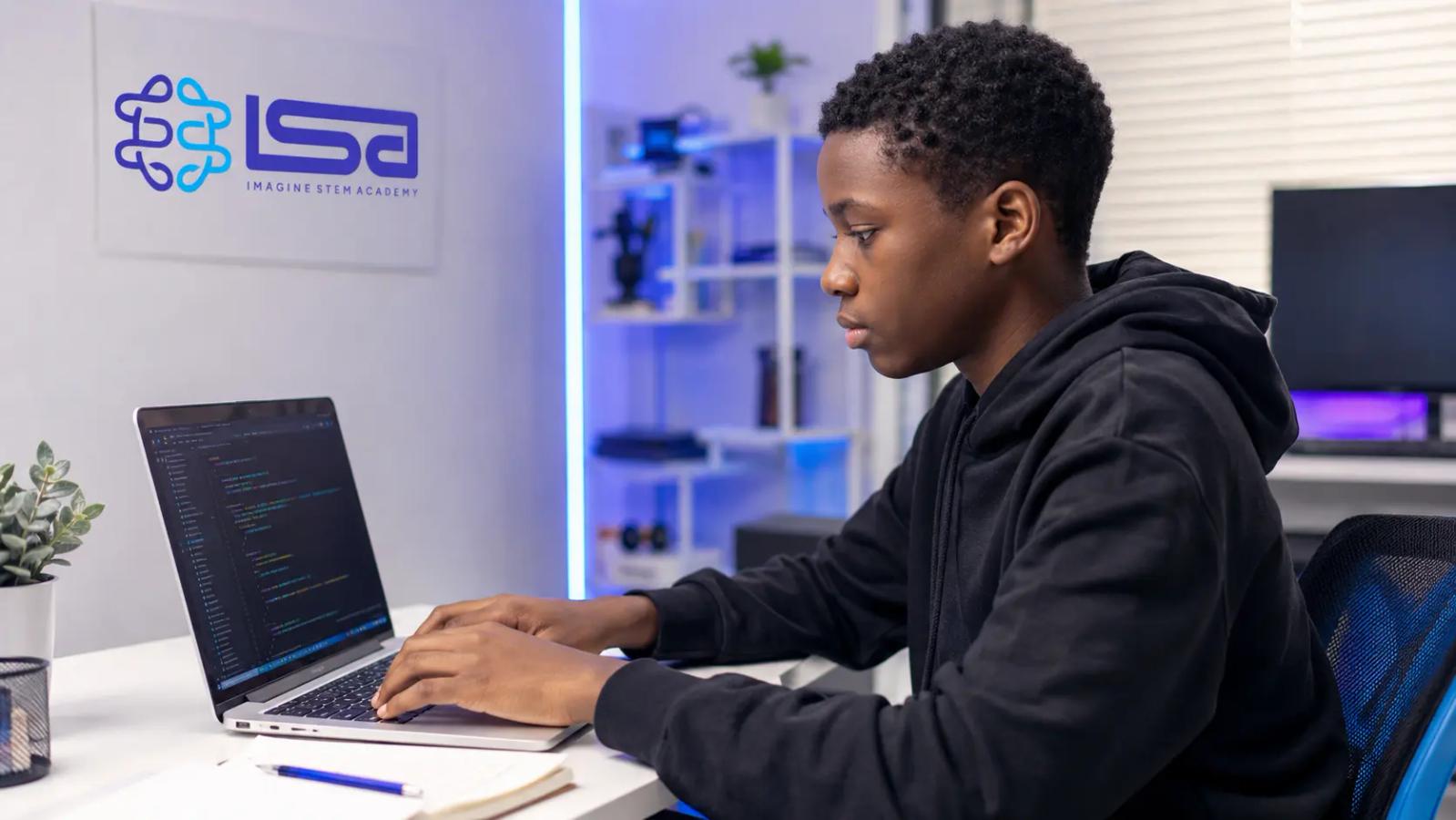
Coding for teenagers is a different conversation than coding for younger kids, and it's worth treating it that way. A 14-year-old doesn't need drag-and-drop blocks or cartoon mascots; they need something that feels genuinely useful, moves at a real pace, and doesn't talk down to them. This guide covers exactly where to start, what to avoid, and how to know if your teen is actually enjoying it (not just tolerating it).
Skip ahead and book a free trial class for teens →
Why Coding for Teens Is Different from Coding for Kids
Younger children often start with visual, block-based tools like Scratch to build basic logic before touching real code. Teenagers can usually skip straight to text-based programming, most 13+ beginners are ready for a language like Python from day one, provided it's taught with genuinely engaging, relevant projects rather than abstract exercises.
The bigger risk with teens isn't difficulty, it's disengagement. A program that's too slow, too babyish, or too disconnected from things they actually care about (games, apps, automation, AI) will lose them fast, regardless of how "correct" the curriculum is.
Where to Start: A Practical Path
- Start with Python, not a visual tool. For most teens, block-based coding feels like a step backward. Python is beginner-friendly enough to start immediately, while still being a real, widely-used language.
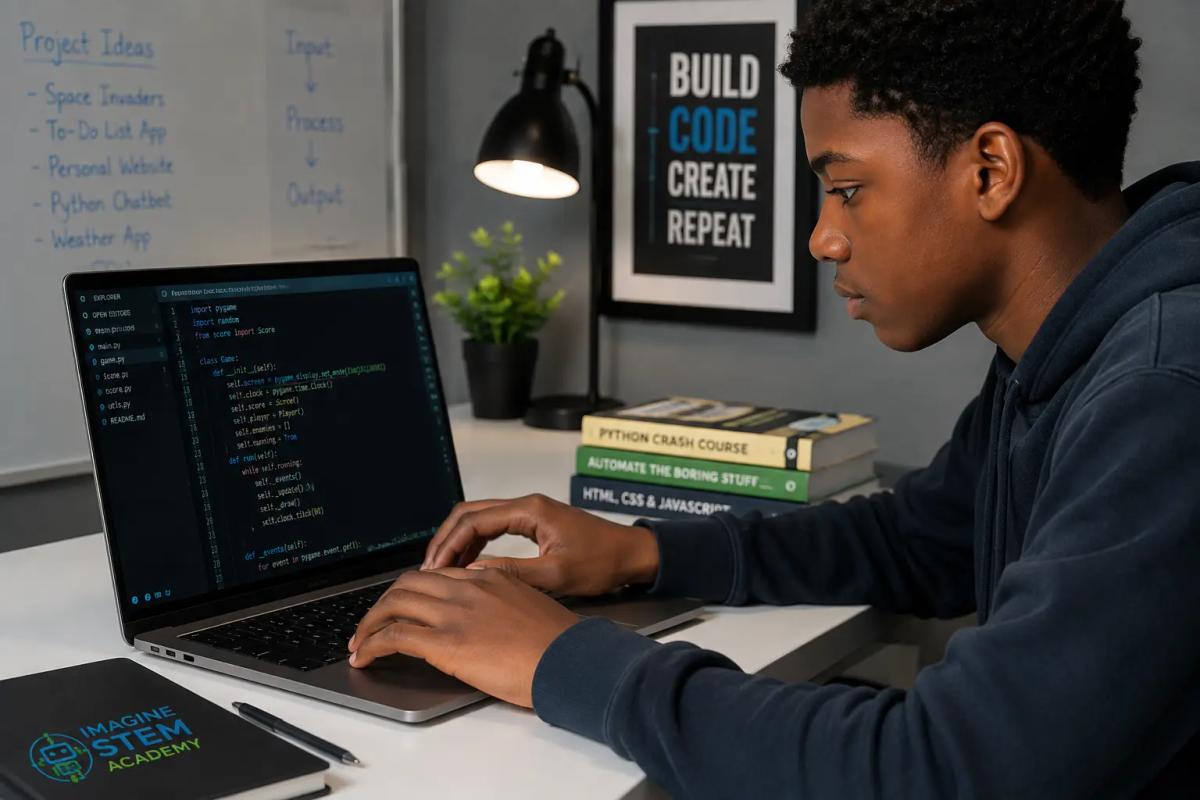
- Pick a project that matters to them. A teen who wants to build a simple game will stay engaged far longer than one working through generic textbook exercises. Good starting projects include: a text-based game, a basic web page, a Discord bot, or a simple automation script.
- Get live feedback early. Teens troubleshoot differently than younger kids, they're more likely to quietly get stuck and disengage rather than ask for help. Live instruction (versus self-paced video) catches this before it becomes "I'm just not good at this."
- Build toward something bigger. Once the basics click, a longer-term project (a working app, a more complex game, an AI-assisted tool) gives teens something to actually be proud of, which matters more for staying motivated than any single lesson.
What a Good Teen Coding Class Looks Like
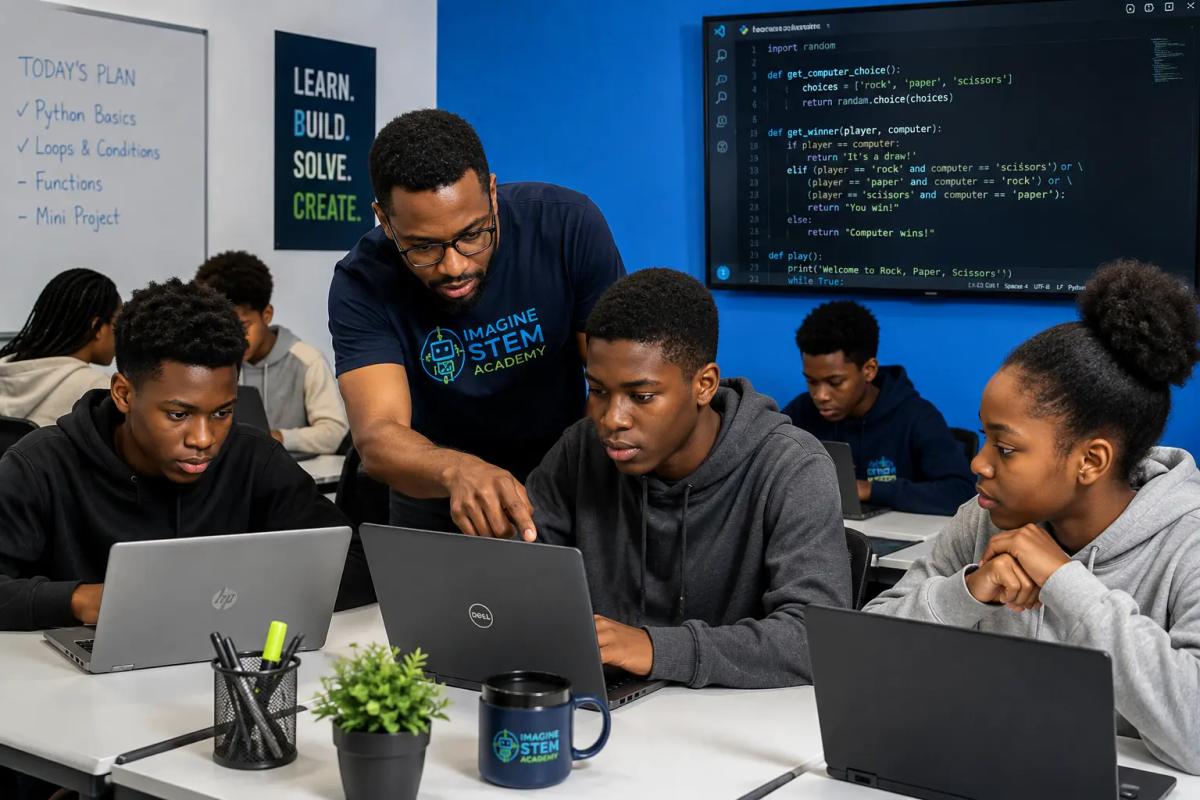
- Live, small-group instruction: not pre-recorded content, and not a class of 30 where questions go unanswered.
- Real, modern projects: not just syntax drills. Teens should be building things they'd actually want to show a friend.
- A path forward, not a dead end: a strong program shows a teen where this could lead, more advanced projects, other languages, or just a genuinely useful life skill regardless of career path.
- Instructors who treat them like teens, not like younger children, tone matters more here than most parents expect.
Common Mistakes to Avoid
- Starting too basic. Putting a teenager through the same visual-block curriculum built for 7-year-olds is one of the fastest ways to lose their interest.
- All theory, no output. If a teen isn't building something within the first session or two, engagement drops fast.
- Assuming self-paced is enough. Video courses work for highly self-motivated teens, but most benefit significantly from live instruction, at least at the start.
See how our teen coding track works — book a free trial class →
Is Coding Worth It for Teens?
Beyond any specific language or project, coding builds skills that transfer well regardless of what a teen eventually studies or does: structured problem-solving, patience with iterative trial-and-error, and comfort with technology as something to shape rather than just consume. For teens considering tech-adjacent study or careers, it's also a low-stakes way to find out early whether it's genuinely something they enjoy.
Got a Younger Child Too?
This guide is focused specifically on teens, but if you have a younger child at home, the starting point looks a little different, take a look at our coding camps for kids to find the right track by age. And if you're still figuring out how the format works in general, our guide to live online coding classes covers what a typical session looks like, regardless of age.
Frequently Asked Questions
What programming language should a teenager start with? Python is generally the best starting point for teens — it's beginner-friendly, widely used, and applicable to real projects like games, automation, and basic AI tools.
Is 13 too old to start coding? Not at all — many teens start coding for the first time between ages 13–16, and often progress faster than younger beginners because they can move straight into text-based programming.
Do teens need coding experience before starting? No prior experience is needed. A good teen-focused course starts from the basics but moves at a pace and tone that suits an older learner, not a repackaged kids' curriculum.
How is coding for teens different from coding classes for younger kids? Teen classes typically skip visual, block-based tools and start directly with real programming languages like Python, with more advanced, self-directed projects and less hand-holding.
Do you offer a free trial class for teens? Yes — you can book a free trial coding class to see how our teen track works before enrolling in a full program.
Book Your Teen's Free Trial Coding Class